

Dubai public transport hits 395 million riders in first half of 2025
Metro and taxis account for over 60% of total public transport users
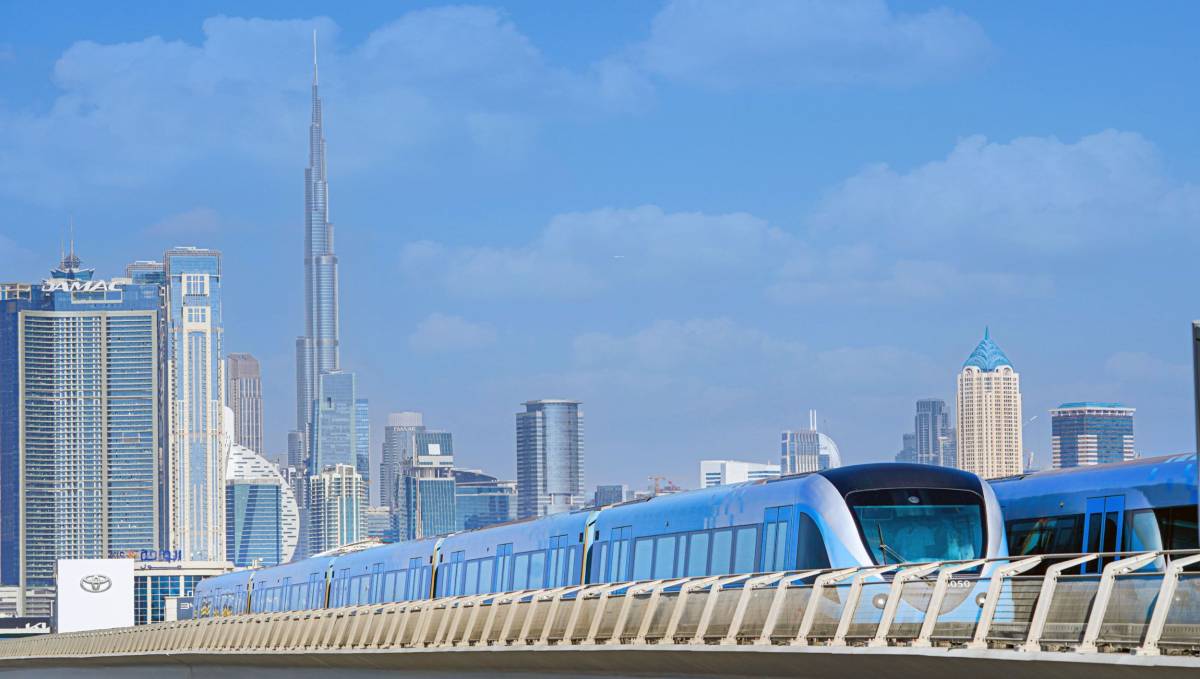
DUBAI: Public transport, shared mobility, and taxi services in Dubai collectively served 395.3 million riders during the first half of 2025 – a 9% increase from 361.2 million in the same period last year.
This translates to an average daily ridership of nearly 2.18 million, up from 1.98 million in H1 2024, underscoring the increasing reliance on the emirate’s diverse and integrated transport ecosystem.
According to Mattar Al Tayer, Director General and Chairman of the Board of Executive Directors at Dubai’s Roads and Transport Authority (RTA), the rising numbers reflect growing public trust in the network’s reliability and efficiency.
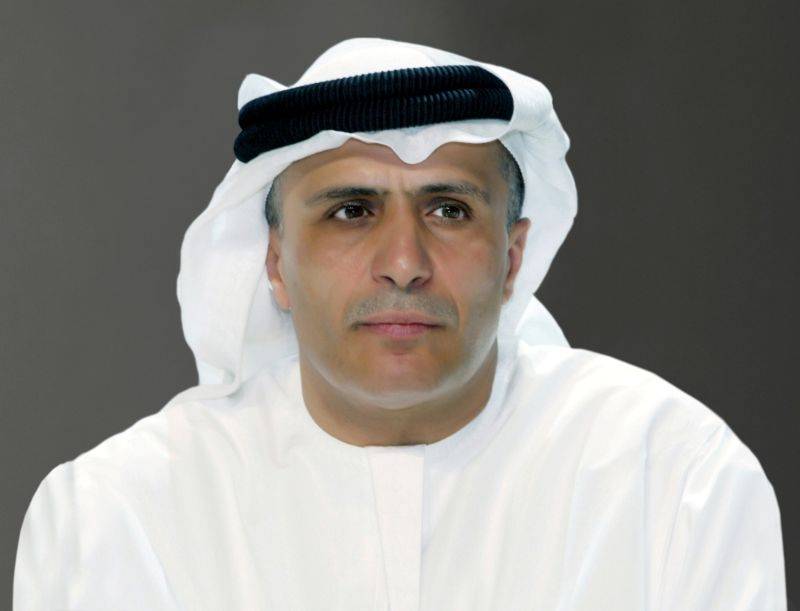
“We are moving forward with a clear vision to make public transport the preferred choice for daily commuting by smartly expanding transport lines and networks, strengthening connectivity between stations and key destinations, and offering flexible, inclusive mobility solutions,” he stated.
Al Tayer noted that the share of journeys using public transport and shared mobility options has grown significantly – from just 6% in 2006 to 21.6% in 2024.
Metro and Bus take lead
The Dubai Metro led ridership figures across all transport modes, accounting for 36.5% of total usage.
Taxi services followed closely at 26%, while public buses made up 24%. May emerged as the busiest month, registering 68.8 million riders, with monthly averages otherwise ranging from 61 to 68 million.
Metro usage across both the Red and Green Lines reached 143.9 million riders in H1 2025. Among stations, BurJuman topped the list with 8.6 million riders, followed by Al Rigga at 6.8 million, and Union Station at 6.6 million. On the Red Line, Mall of the Emirates saw 5.6 million riders, Burj Khalifa/Dubai Mall had 5.4 million, and Business Bay recorded 5.3 million.
On the Green Line, Sharaf DG Station led with 5.1 million riders, followed by Baniyas Station with 4.1 million, and Stadium Station with approximately 3.6 million.
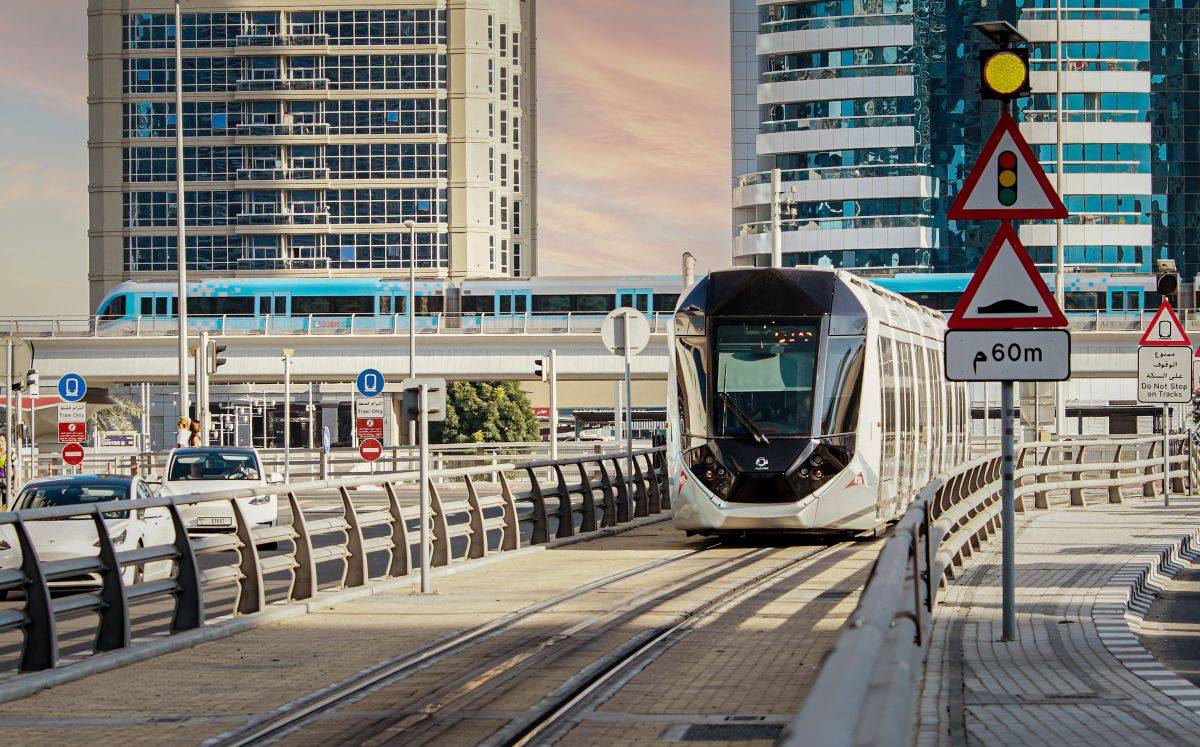
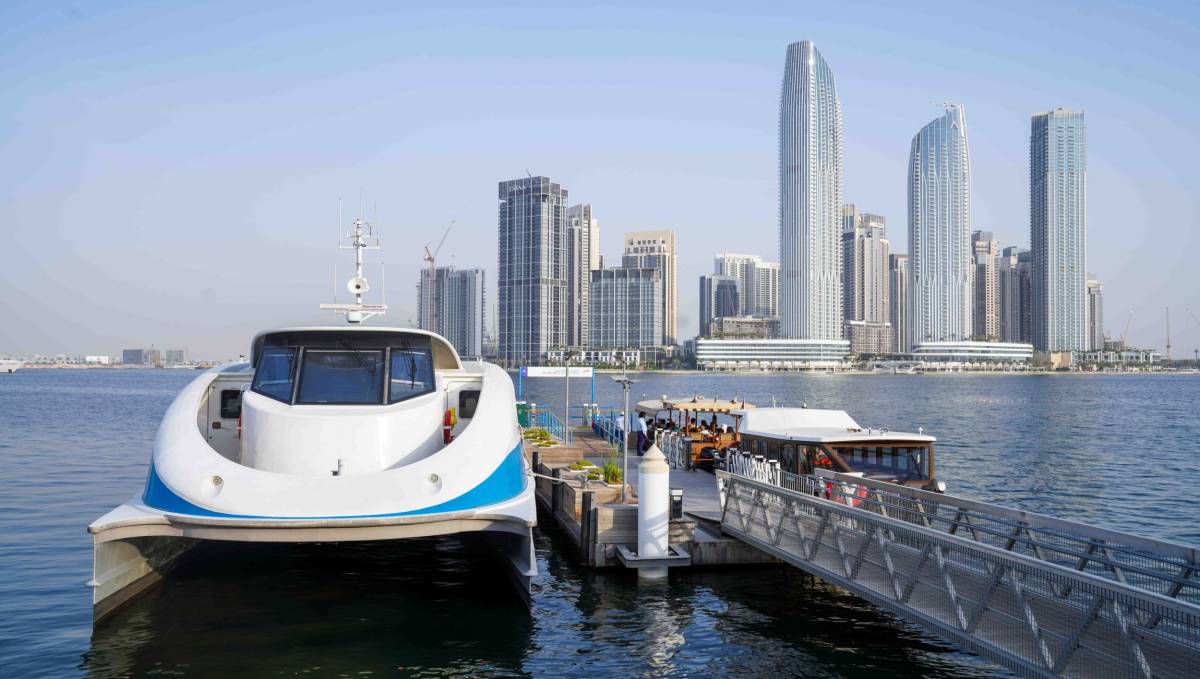
The Dubai Tram transported 4.9 million riders, while marine transport services handled 9.7 million riders across ferries, abras, and water taxis.
Dubai’s marine transport network, which includes ferries, water taxis, abras, and the Water Bus, carried 9.7 million riders during the first half of 2025. These services continue to play a vital role in connecting key waterfront communities, tourist destinations, and commercial areas along Dubai Creek, the coastline, and the Marina.
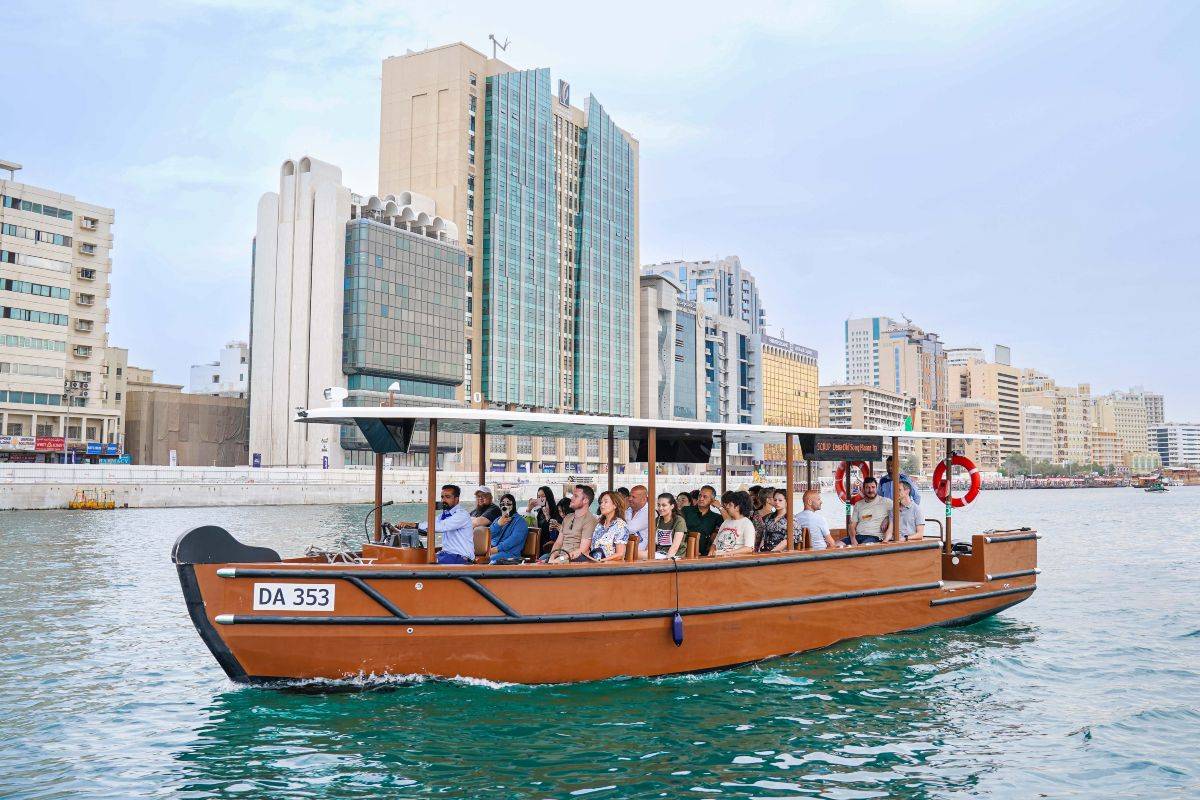
The diverse marine fleet offers both traditional and modern travel experiences, supporting daily commutes as well as leisure journeys. With ongoing enhancements to routes, frequency, and docking infrastructure, RTA’s marine transport segment remains a growing pillar of the integrated mobility ecosystem, offering an efficient and scenic alternative to land-based travel.
New projects, smart plans
Highlighting future expansion, Al Tayer confirmed that construction of the Dubai Metro Blue Line is in progress. The 30-kilometre line will comprise 14 stations and serve nine densely populated districts, expected to house one million residents. The development aligns with the Dubai 2040 Urban Plan.
Earlier in the year, RTA signed agreements to procure 637 multi-sized buses compliant with European ‘Euro 6’ low-emission standards, including 40 electric buses – marking the largest such fleet in the UAE. Delivery is scheduled across 2025 and 2026. This move supports RTA’s long-term vision of transitioning to a fully electric and hydrogen-powered bus fleet by 2050. The RTA also completed the development of 16 bus stations and six depots to enhance service coverage and efficiency.
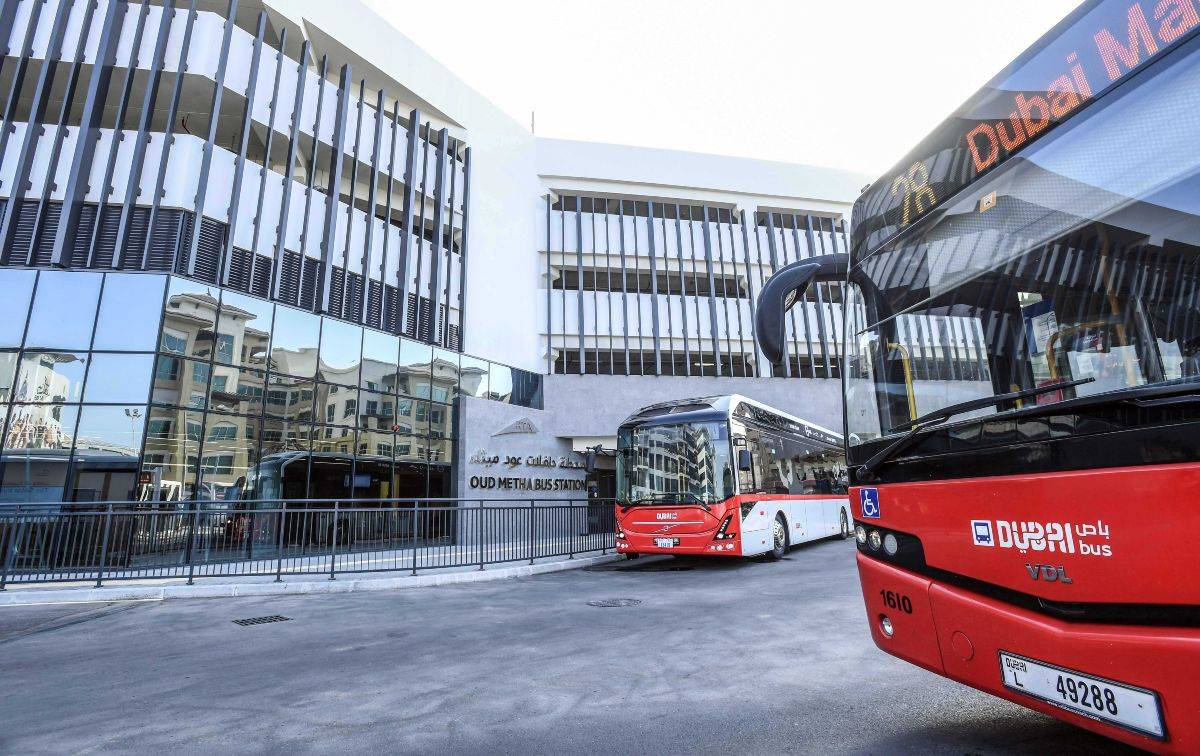
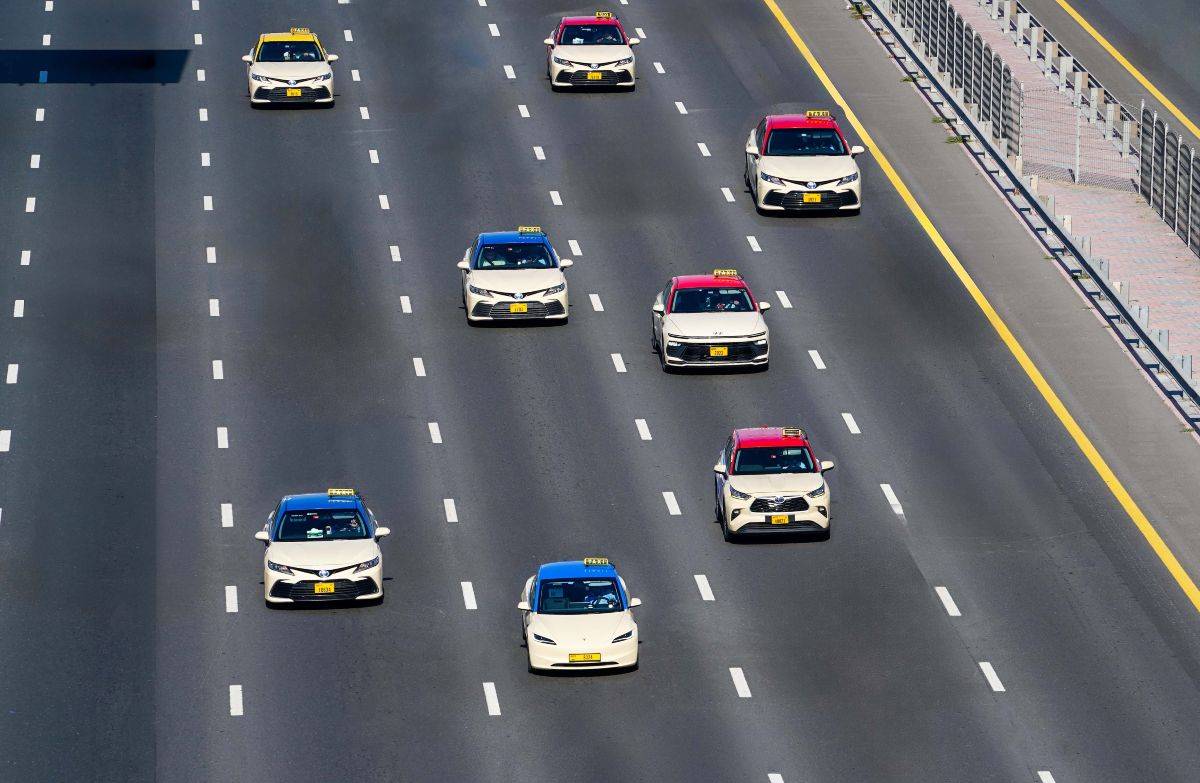
Shared mobility services, which include app-based ride-hailing, hourly vehicle rentals, and on-demand buses, served 37.6 million riders in the first half of the year. Taxi services transported 103.5 million riders, cementing their role as a vital component of the city’s mobility system.
RTA’s strategic and operational approach revolves around full network integration – across metro, tram, buses, marine transport, and new-age mobility – while also promoting pedestrian and cycling infrastructure. The Authority continues to invest in smart transport systems and policies aimed at reducing dependence on private vehicles, with a target to increase public and shared mobility’s modal share to 25% by 2030.